Why is mineral processing an indispensable and crucial part of the metallurgical
Ores mined from mines are generally of low grade. For example, many iron ores contain only 20-30% iron, and copper ores contain only 0.5-1% copper. Directly smelting such low-grade ores is not only technically difficult but also economically unfeasible. Therefore, for low-grade ores, mineral processing methods are needed before smelting. Mineral processing equipment separates gangue from valuable minerals, increasing the grade and making the ore suitable for smelting.
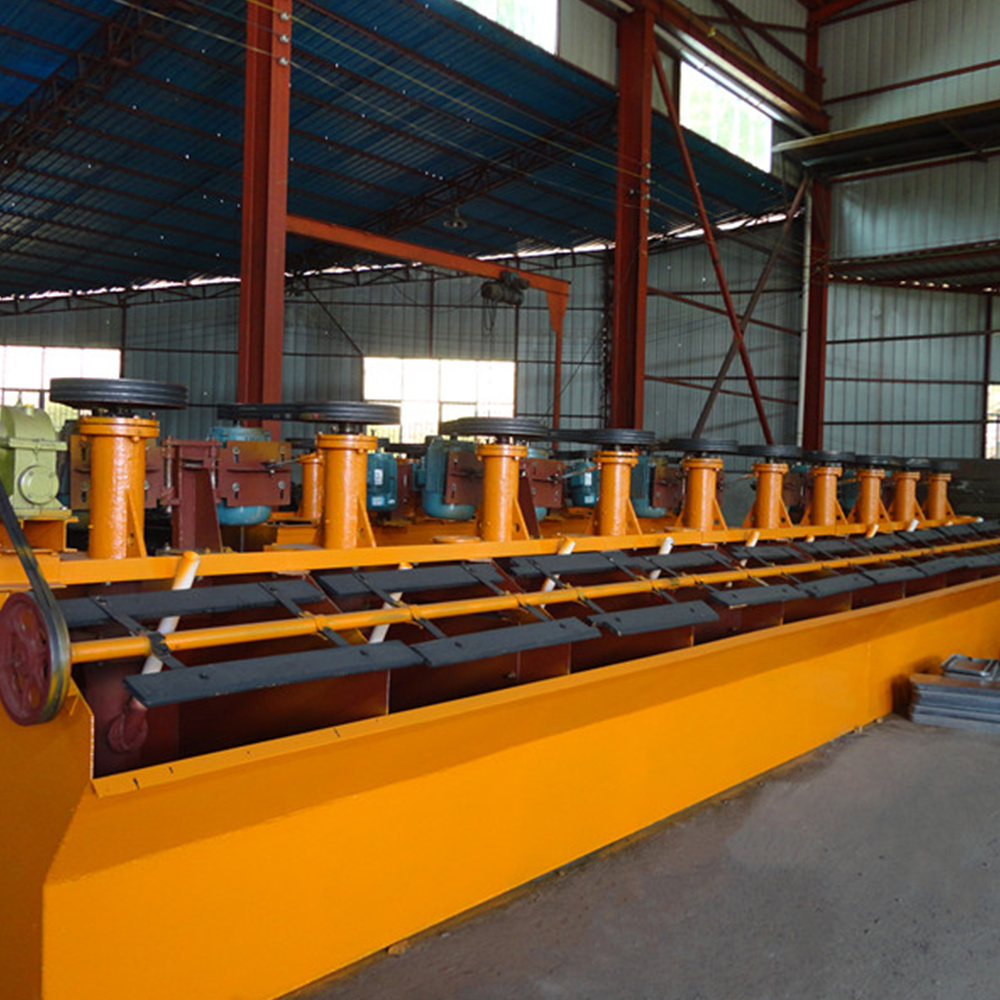
Furthermore, ores often contain several useful components (such as copper, lead, zinc, or copper-zinc, copper-iron, etc.), which must be recovered as separately as possible. This requires excellent mineral processing.
In addition to these components, ores often contain harmful impurities. During smelting, these harmful impurities can affect the metal, sometimes complicating or even making the smelting process impossible. For example, zinc is a harmful impurity in copper and lead ores; iron in zinc ore; and sulfur and phosphorus in iron ore. These harmful impurities must be removed or reduced to within the limits allowed by product quality standards through mineral processing methods before smelting.
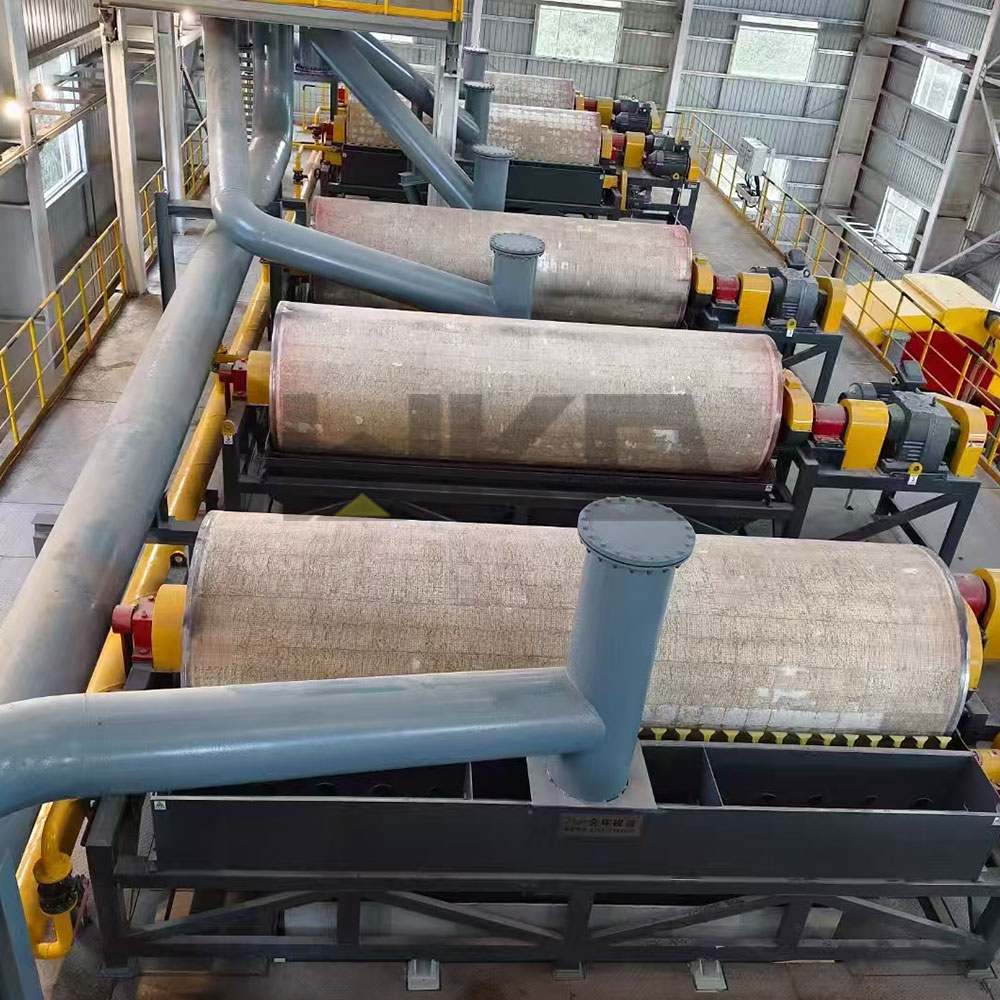
Therefore, with the development of the metallurgical industry, mineral processing has become extremely important, serving as an indispensable and crucial link in the metallurgical process.
Email: sale06@miningshakingtable.com
WhatsApp: +8615390744410
Categories
News
Contact Us
Contact: Jiangxi Victor International Mining Equipment
Tel: +86 15390744410
E-mail: sale06@miningshakingtable.com
Add: Guzhang industrial park, Shicheng, Ganzhou, Jiangxi, China