What are some common methods for purifying kaolin?
Kaolin, also known as dolomite, is a common clay mineral found in nature. It is a useful mineral for manufacturing white pigments, and whiteness is a key performance parameter affecting its value. However, kaolin often contains harmful impurities such as iron, organic matter, and dark-colored substances. These impurities can cause kaolin to exhibit different colors, affecting its whiteness. Therefore, impurities must be removed before using kaolin.
Common methods for purifying kaolin include gravity separation, magnetic separation, flotation, and chemical treatment. This article will introduce some common kaolin purification methods:
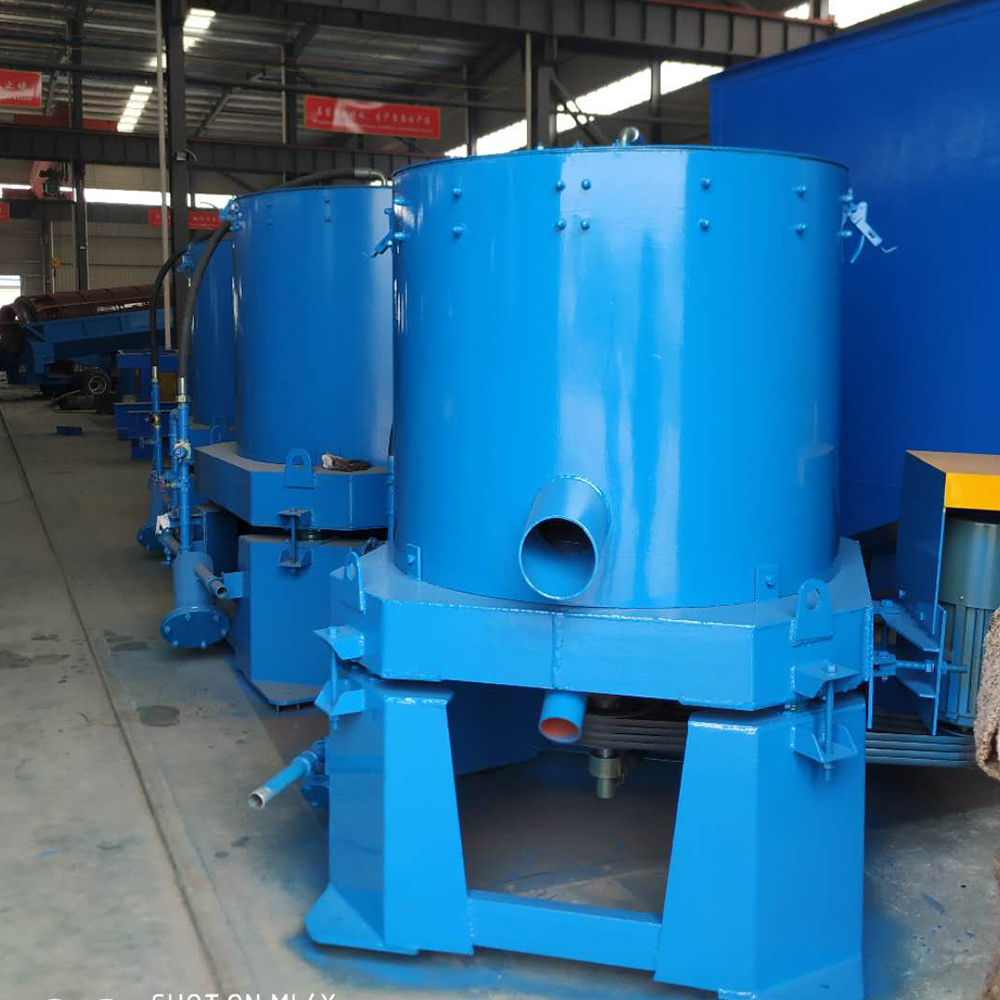
1. Kaolin Gravity Separation Gravity separation primarily utilizes the density difference between gangue minerals and kaolin to remove light organic matter, quartz, feldspar, and high-density impurities containing iron, titanium, and manganese, thereby reducing the impact of impurities on whiteness. Centrifugal concentrators are typically used to remove high-density impurities. Hydrocyclones can also be used to complete the washing and screening operations in the kaolin separation process, achieving not only washing and classification but also removing some impurities, making it highly valuable.
However, gravity separation rarely yields kaolin products that meet the required standards. Ultimately, methods such as magnetic separation, flotation, and calcination are still necessary to obtain the final qualified product.
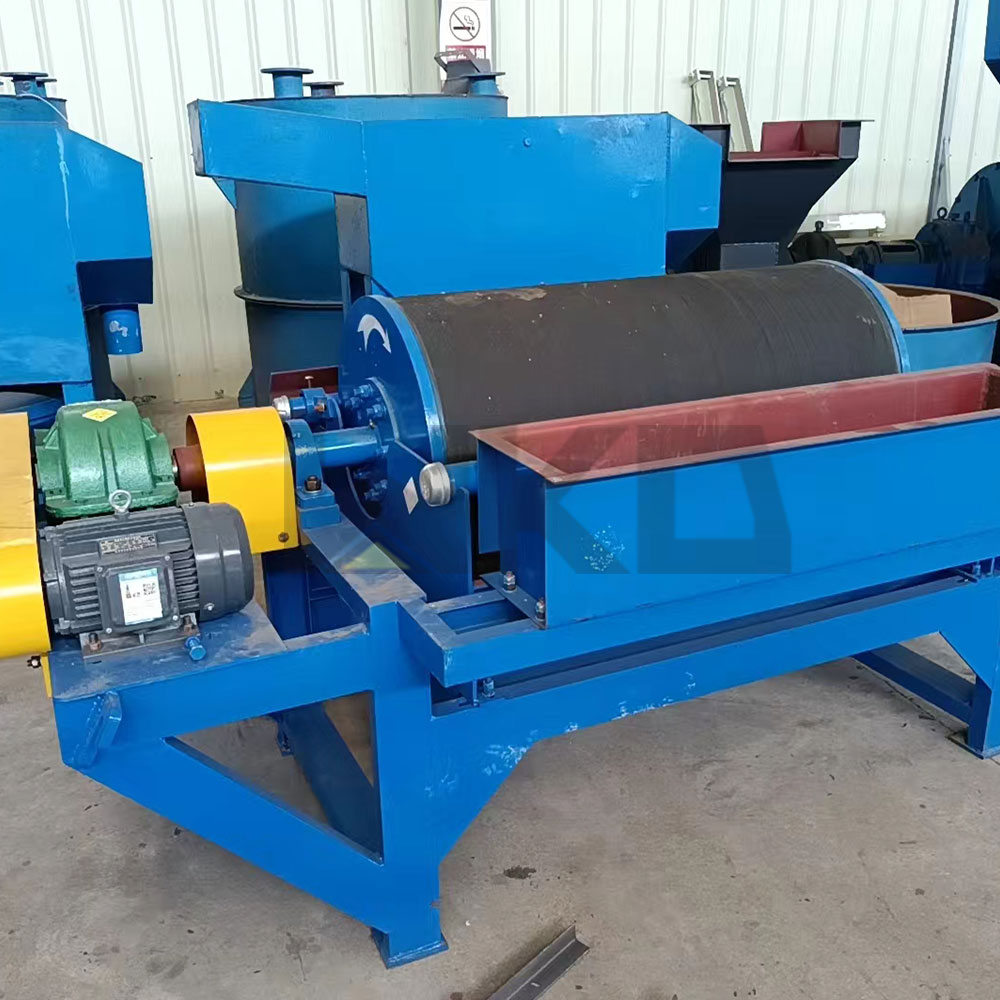
2. Kaolin Magnetic Separation Almost all raw kaolin ore contains a small amount of iron minerals, generally 0.5%-3%, mainly including coloring impurities such as magnetite, ilmenite, siderite, and pyrite. Magnetic separation mainly utilizes the magnetic difference between gangue minerals and kaolin to remove these coloring impurities.
For strongly magnetic minerals such as magnetite and ilmenite, or iron filings mixed in during processing, magnetic separation is more effective for separating kaolin. For weakly magnetic minerals, there are two main methods: one is to first roast the mineral to convert it into strongly magnetic iron oxide, and then perform magnetic separation; the other method is to use a high-gradient, high-magnetic-field magnetic separation method. Since magnetic separation does not require the use of chemical reagents and causes minimal environmental pollution, it is widely used in non-metallic mineral processing. Magnetic separation effectively solves the problem of developing and utilizing low-grade kaolin that lacks commercial mining value due to its high iron content. Superconducting magnetic separators have the characteristics of high field strength, energy saving, and high productivity, and can directly process kaolin containing a large number of impurities.
However, it is difficult to obtain high-grade kaolin products using only magnetic separation. Other processes, such as chemical treatment, are also needed to further reduce the iron content in kaolin products.
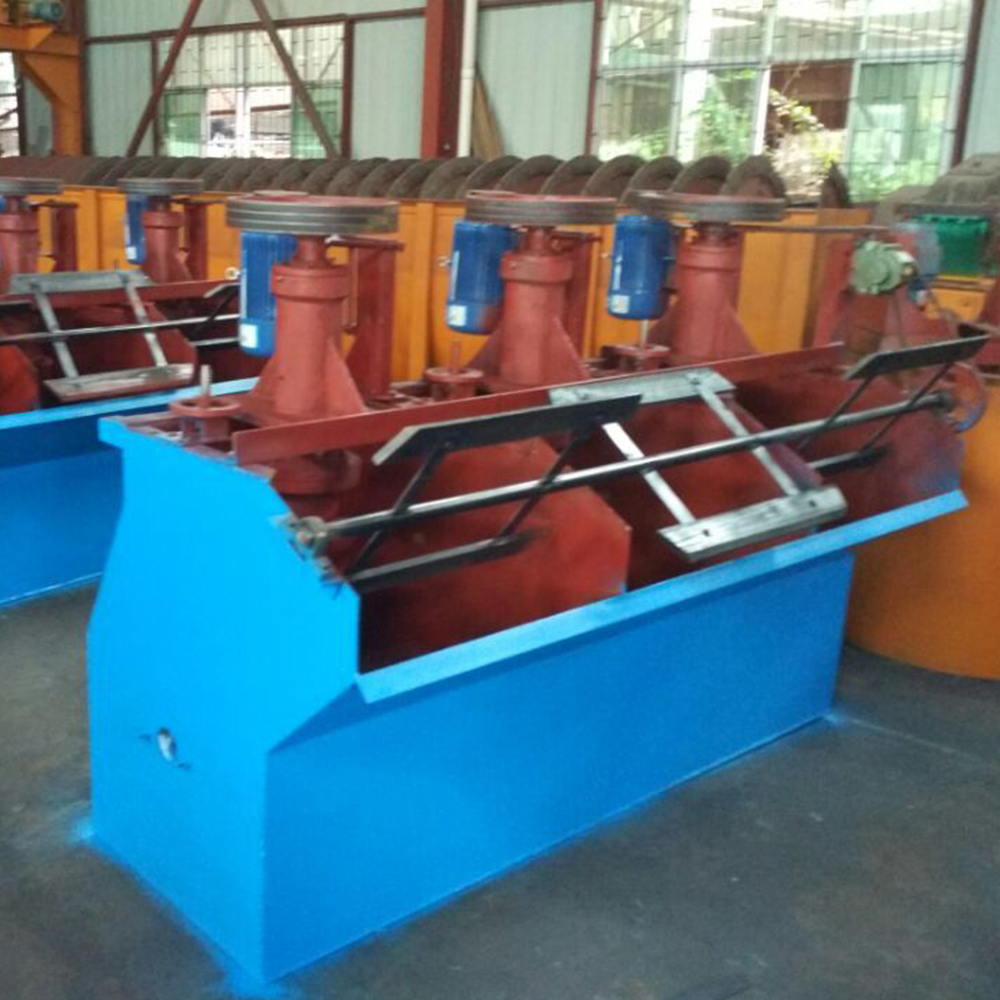
3. Kaolin Flotation Flotation primarily utilizes the differences in physicochemical properties between gangue minerals and kaolin to process raw kaolin ore with high impurity levels and low whiteness, removing iron, titanium, and carbon impurities to achieve comprehensive utilization of low-grade kaolin resources.
Kaolin is a typical clay mineral, often containing iron, titanium, and other impurities embedded between its particles. Therefore, the raw ore must be ground to a certain fineness, typically falling into the mud-scale particle size category mentioned in flotation processes. Common flotation methods for kaolin include ultrafine flotation, two-layer flotation, and selective flocculation flotation.
Flotation can effectively improve the whiteness of kaolin, but its disadvantages include the need to add chemical reagents, increasing production costs and potentially causing environmental pollution.
4. Chemical Treatment of Kaolin
Chemical Leaching: This method selectively dissolves certain impurities in kaolin using leaching agents such as sulfuric acid, hydrochloric acid, and nitric acid, thus removing these impurities. It can be used to remove hematite, limonite, and siderite from low-grade kaolin.
Chemical Bleaching: Bleaching oxidizes impurities in kaolin into soluble substances, which are then washed away, improving the whiteness of the kaolin product. However, chemical bleaching is relatively expensive and is typically used for kaolin concentrates that require further purification after impurity removal.
Roasting Purification: This method utilizes the differences in chemical composition and reactivity between impurities and kaolin, employing methods such as magnetized roasting, high-temperature roasting, or chlorination roasting to remove iron-containing impurities, carbon-containing impurities, sulfides, and other impurities from kaolin. This method can increase the chemical reactivity of the roasted product, significantly improving the whiteness of the kaolin and obtaining a high-grade kaolin product. However, roasting purification has the disadvantages of high energy consumption and potential environmental pollution.
High-grade kaolin products cannot be obtained through a single process. Therefore, in actual production, it is recommended that mine owners choose manufacturers with mineral processing qualifications, conduct mineral processing tests, and adopt a combination of processes to improve the quality of kaolin products.
Email: sale06@miningshakingtable.com
WhatsApp: +8615390744410
Categories
News
Contact Us
Contact: Jiangxi Victor International Mining Equipment
Tel: +86 15390744410
E-mail: sale06@miningshakingtable.com
Add: Guzhang industrial park, Shicheng, Ganzhou, Jiangxi, China