Gravity Separation Tantalum-Niobium Ore
Tantalum-niobite is a polymetallic ore containing tantalum, niobium, tin, tungsten, lithium, beryllium, and other minerals. It is characterized by low ore grade, complex mineral composition, high mineral density, and brittleness. The following section analyzes in detail the beneficiation methods and processes for tantalum-niobite.
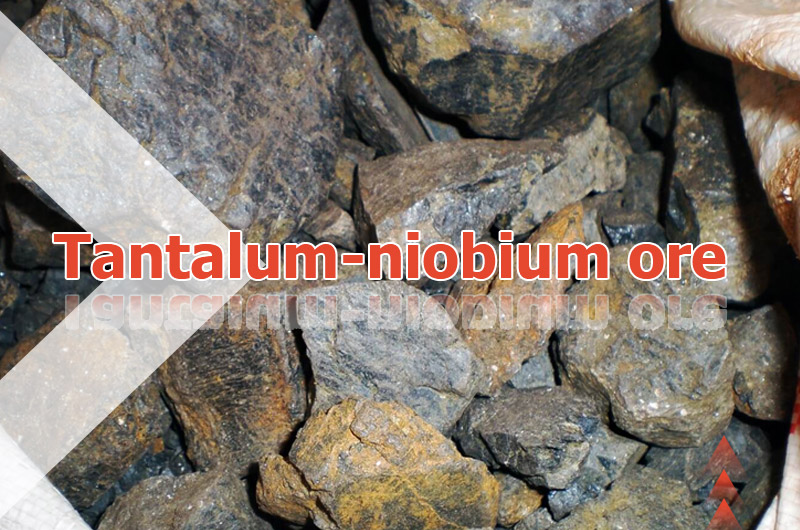
The main beneficiation methods for tantalum and niobium ore include gravity separation, magnetic separation, electrostatic separation, flotation, flotation, and chemical treatment. The beneficiation process can generally be divided into two parts: roughing and cleaning.
Tantalum-Niobite Roughening: The roughing process for tantalum-niobite mainly employs gravity separation, but gravity separation-flotation-gravity separation, gravity separation-flotation, or gravity separation-magnetic separation-gravity separation are also used. Gravity Separation Process: Primary tantalum-niobite ores often utilize multi-stage grinding and multi-stage gravity separation. Typically, separation equipment is installed in the grinding circuit to recover individual minerals early. Tantalum-niobite sands generally do not require crushing and grinding due to good mineral liberation; they are screened before entering the beneficiation process to remove boulders and pebbles, and then roughed using jigs. Coarse-grained tantalum-niobite roughing uses jigs or spiral concentrators, with the roughing concentrate being cleaned using shaking tables; fine-grained tantalum-niobite roughing uses spiral sluices or shaking tables, with the roughing concentrate being cleaned using shaking tables; tantalum-niobite slime roughing uses centrifugal concentrators or multi-layer rotating bed concentrators, with the roughing concentrate being cleaned using belt sluices or cross-flow belt sluices combined with shaking tables for slime cleaning.
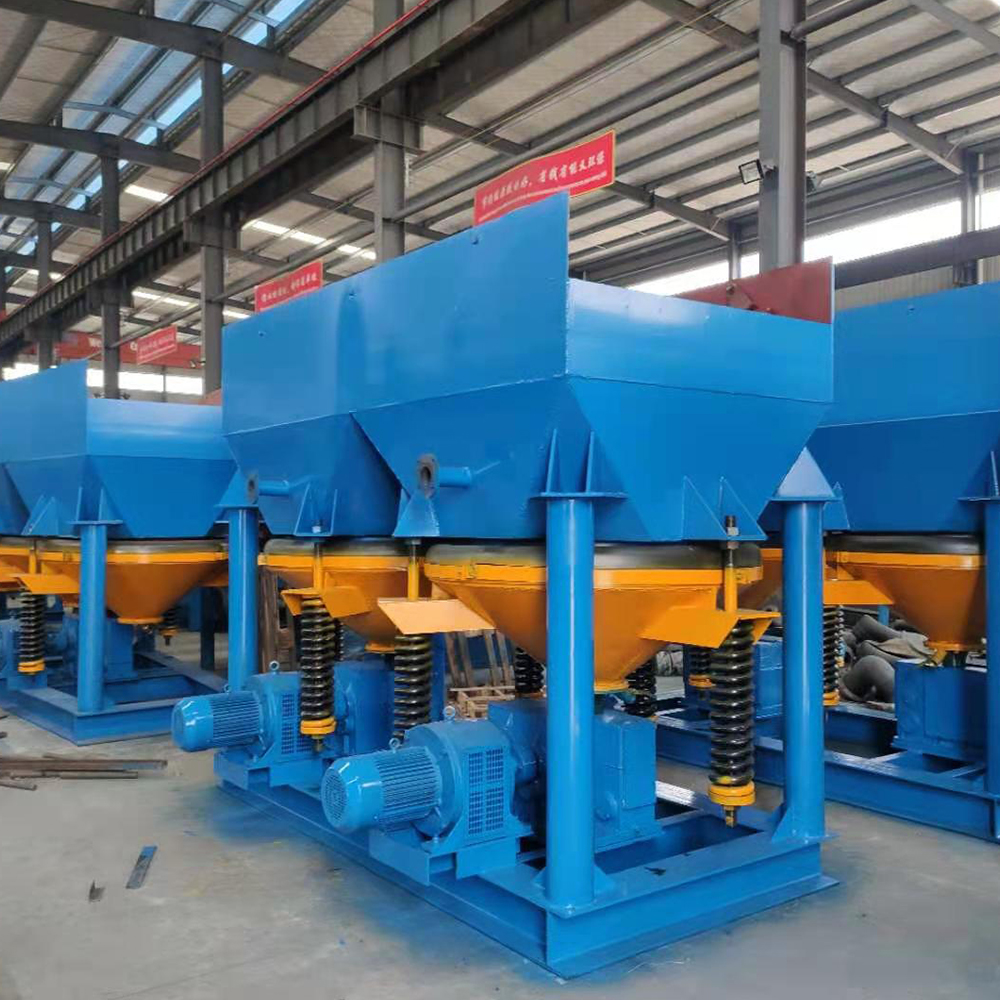
This gravity separation process for tantalum-niobium ore is characterized by low investment, quick start-up, low cost, and minimal environmental pollution, but it has relatively low efficiency in separating slime. The gravity-flotation-gravity or gravity-flotation process uses gravity separation for coarse and fine particles, and flotation for slime. The first half of the flotation process uses a small-diameter hydrocyclone or centrifugal concentrator for desliming, followed by flotation using alkyl sulfonated succinate as a collector and sodium silicate and oxalic acid as modifiers at pH 2-3. The flotation concentrate is then further refined using a Holman slime shaking table-transverse belt sluice. Alternatively, styrene-phosphonic acid can be used as a collector, and sodium fluorosilicate and nitrates as modifiers, flotation is carried out at pH 6, and the flotation concentrate is refined using a vibrating belt sluice or a cross-flow belt sluice. Following these methods, tantalum-iron ore or niobium-iron ore concentrate can be obtained. This process is characterized by high separation efficiency, but the tantalum and niobium content in the removed slime is often close to the original ore grade, resulting in high reagent consumption and high production costs. The gravity-magnetic-gravity separation process uses gravity separation for coarse-grained materials and a combination of magnetic and gravity separation for fine-grained materials and slime. This gravity separation process for tantalum-niobium ore is characterized by high separation efficiency for fine-grained tantalum-niobium ore, but all tantalum-niobium minerals in the ore must possess weak magnetic properties.
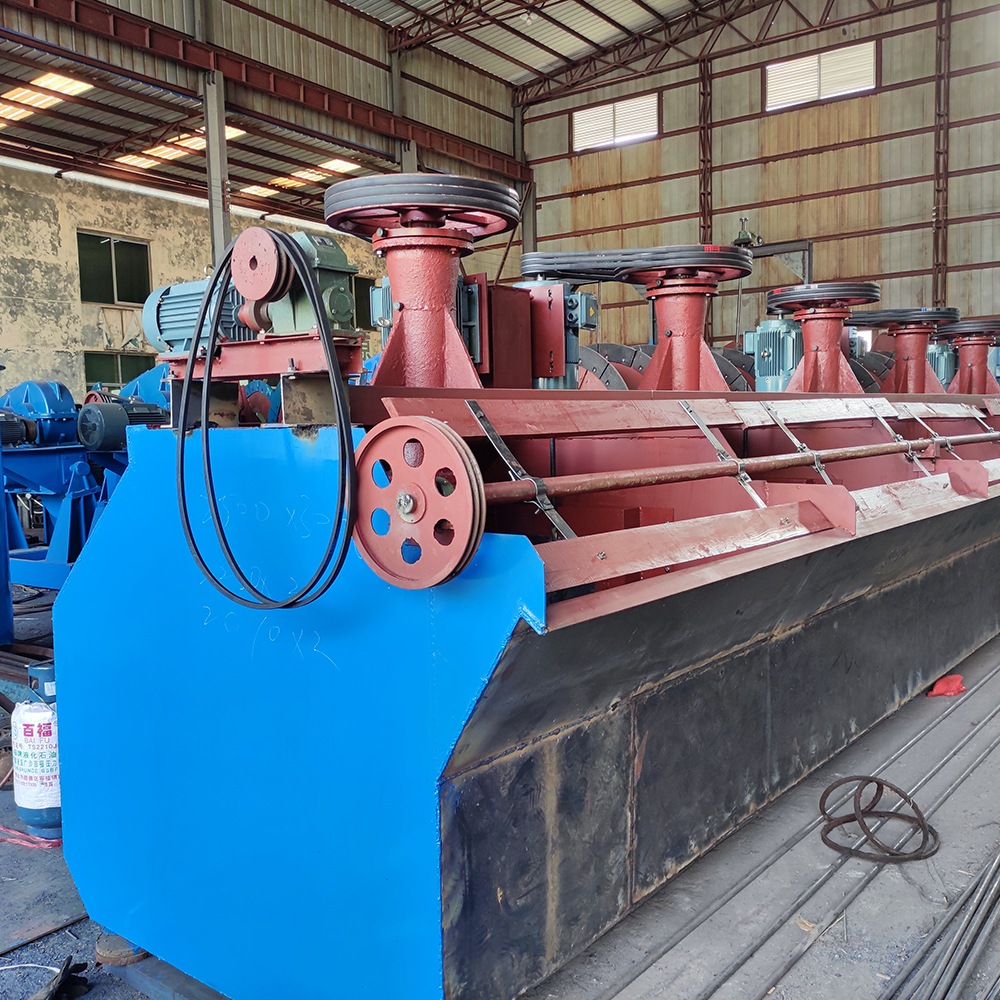
Tantalum-niobium ore has a complex mineral composition and is difficult to separate, often requiring a combination of one or two methods, such as magnetic separation, gravity separation, flotation-gravity separation, flotation, electrostatic separation, and chemical treatment, to obtain concentrate. In practice, gravity separation is the most common method for tantalum-niobium ore beneficiation, with staged grinding and staged separation forming the main process. However, gravity separation is not ideal for handling fine slime in tantalum-niobium ore, failing to comprehensively recover all valuable minerals; a significant portion of valuable minerals are lost in the slime. Flotation is an effective way to recover tantalum-niobium slime. Research on flotation of tantalum-niobium ore mainly focuses on high-efficiency flotation reagents, requiring solutions to the problems of collector capacity and selectivity. Chelating collectors such as hydroxamic acid, as excellent collectors with high selectivity and strong collecting power, have attracted attention and shown promising application prospects. In recent years, tantalum-niobium ore beneficiation technology has made certain progress in terms of processes, equipment, and reagents.
Gravity separation for recovering fine-grained tantalum and niobium minerals often results in low beneficiation efficiency. The widespread application of tantalum and niobium ore, its scarcity, and its fine-grained distribution have spurred research into the theory and practice of tantalum and niobium flotation. Tantalum and niobium tailings are secondary resources and should be developed and utilized to comprehensively recover valuable metals from them.
Email: sale06@miningshakingtable.com
WhatsApp: +8615390744410
Categories
News
Contact Us
Contact: Jiangxi Victor International Mining Equipment
Tel: +86 15390744410
E-mail: sale06@miningshakingtable.com
Add: Guzhang industrial park, Shicheng, Ganzhou, Jiangxi, China